Hunan University of Chinese Medicine
湖南中医药大学
About the university
Hunan University of Chinese Medicine is located in Changsha, the administrative center of Hunan Province and one of the largest cities in central China. The university has two main campuses: Hanpu Campus (含浦校区); Dongtang Campus (东塘校区). The university comprises 15 academic colleges, while its medical education is supported by an extensive clinical training infrastructure. The university has 15 affiliated hospitals, including two directly affiliated hospitals, as well as 27 teaching hospitals. For medical education, this is one of the university’s important advantages: students receive not only theoretical training but also have access to a well-developed clinical education infrastructure. The university is authorized to award bachelor’s, master’s and doctoral degrees. It offers undergraduate, master’s and doctoral programs and has its own research and academic units. Academic Specializations The university’s primary academic focus is Traditional Chinese Medicine (TCM) and modern medical disciplines. Key academic areas include: Traditional Chinese Medicine; Clinical Medicine; Integration of Traditional Chinese and Western Medicine; Acupuncture and Tuina; Rehabilitation; Pharmacy; Traditional Chinese Pharmacy; Stomatology; Medical Diagnostics; Medical Imaging. According to the university, Clinical Medicine, Pharmacology & Toxicology, and Chemistry are among the top 1% of academic disciplines worldwide according to ESI. Traditional Chinese Medicine is one of the university’s key areas of development within Hunan Province’s strategic academic priorities. Who Is the University Suitable For? Hunan University of Chinese Medicine is particularly suitable for students planning to pursue education in: Traditional Chinese Medicine; Clinical Medicine; Acupuncture and Tuina; Pharmacy; Rehabilitation; Stomatology; Nursing; Medical Technologies. The university may also be considered by students who are interested in non-medical or related fields, such as Psychology, Bioengineering, Pharmaceutical Engineering, Computer Science, Management or Economics. Why Consider Hunan University of Chinese Medicine? Hunan University of Chinese Medicine is particularly interesting for students considering China as a destination for education in Traditional Chinese Medicine and modern medicine. Key advantages of the university include: a specialized focus on Traditional Chinese Medicine; public university status; a history dating back to 1934; Double First-Class status among universities in Hunan Province; 34 undergraduate programs; bachelor’s, master’s and doctoral programs; an extensive medical and clinical training network; 15 affiliated hospitals and 27 teaching hospitals; an International Education Institute; programs for international students; a wide range of medical and related disciplines; a location in Changsha, a major city in central China. Who Is This University Best Suited For? Hunan University of Chinese Medicine can be considered primarily by students planning to build their professional education around: Traditional Chinese Medicine; Clinical Medicine; Acupuncture and Tuina; Integrative Medicine; Stomatology; Pharmacy; Rehabilitation and other medical disciplines. For parents of school-age students, an important advantage is the opportunity to study at a specialized medical university with its own network of clinical training facilities. For career guidance specialists and schools, the university is an interesting option for students who are already considering a professional career in medicine, pharmacy, rehabilitation or related fields. Important Information regarding programs, tuition fees, admission requirements for international students, language certificates, application deadlines and scholarships is updated by the university annually. Before applying, applicants should verify the requirements for the specific academic year in which they intend to enroll. China Edu Consulting conducts a preliminary review of admission requirements and helps students select a university and program based on their educational background, age, language proficiency and academic goals.
Admission
Hunan University of Chinese Medicine accepts international students for bachelor's, master's, and doctoral degree programs, as well as selected continuing education programs. The university has a dedicated International Education Institute responsible for the education and support of international students. Bachelor's Degree For international applicants, the basic requirements published by the university include: - foreign citizenship; - completion of secondary school or an educational qualification equivalent to Chinese high school education; - age 18–30 according to the published requirements; - good health; - Chinese language proficiency at HSK 4 or above for relevant Chinese-taught programs. Therefore, for a Russian student, admission to a bachelor's degree program is possible after completing 11 years of secondary education, rather than after Grade 9. The application package for international applicants includes: - passport; - secondary school certificate; - academic transcript; - HSK certificate, if required; - certificate of no criminal record; - medical examination certificate; - financial guarantee / proof of financial means; - application form; - other documents required by the university. The exact list of documents must be prepared according to the current requirements of the specific program and academic year. Master's Degree Applicants for a master's degree must hold a bachelor's degree or an equivalent qualification. For certain programs, the university requires: - HSK 4 or above; - CV; - research proposal; - two recommendation letters from professors or associate professors; - medical documents; - certificate of no criminal record; - financial guarantee. Specific requirements depend on the chosen program. Doctoral Degree Applicants for a PhD program must hold a master's degree or an equivalent qualification. The university also indicates the following requirements: - HSK 4 or above for relevant programs; - CV; - research proposal; - two recommendation letters from professors or associate professors; - educational certificates and transcripts; - medical examination certificate; - certificate of no criminal record; - financial guarantee. Admission Process Program selection — choosing the field of study and degree level. Requirements check — verifying education, age, language proficiency, and additional requirements. Document preparation. Application submission. University application review. Admission result and enrollment documents. Student visa application. Arrival in Changsha and university registration. Medical Programs When choosing a medical program, applicants should separately verify: - language of instruction; - specific academic or professional requirements; - HSK requirements; - duration of clinical training; - location of practical and clinical training; - possibility of professional recognition of the degree in the country where the graduate intends to work. This is particularly important for Clinical Medicine, Stomatology, Traditional Chinese Medicine (TCM), and Acupuncture and Tuina. China Edu Consulting helps applicants verify their eligibility for the selected program, prepare the required documents, and complete the main stages of the admission process. Final admission requirements and application deadlines are confirmed by our specialists based on the university's official information for the relevant academic year.
Programmes
Hunan University of Chinese Medicine offers a wide range of bachelor’s, master’s and doctoral programs, with the university’s primary academic focus being medicine and pharmacy. For international students, the university has a dedicated international education system. The university publishes specific admission regulations for international students and provides education at different academic levels. Bachelor’s Programs According to the official materials of the International Education Institute, the bachelor’s programs available to international students include medical, pharmaceutical, rehabilitation, engineering and management-related fields. Medical Programs The main medical fields include: Traditional Chinese Medicine (TCM) — 5 years; Integrated Chinese and Western Clinical Medicine — 5 years; Clinical Medicine — 5 years; Stomatology — 5 years; Acupuncture and Tuina — 5 years; Medical Imaging — 5 years; TCM Health Preservation — 5 years. These programs are part of professional medical education and involve comprehensive training combining fundamental and clinical disciplines. Rehabilitation and Restorative Medicine For students interested in rehabilitation and restorative medicine, the university offers: Rehabilitation Therapy — 4 years; Athletic Rehabilitation / Sports Rehabilitation — 4 years. These fields focus on restoring physical functions, preventing health problems and supporting patient rehabilitation. Pharmacy and Traditional Chinese Pharmacology The university offers programs including: Traditional Chinese Pharmacy / Chinese Materia Medica — 4 years; Pharmacy — 4 years; Pharmaceutics — 4 years; Resource & Development of Traditional Chinese Medicine — 4 years; Pharmaceutical Engineering — 4 years; Bioengineering — 4 years. These programs are particularly relevant to students who want to work not directly in clinical practice, but in pharmaceuticals, pharmaceutical technologies and drug development. Nursing and Medical Technologies Other available fields include: Nursing — 4 years; Medical Laboratory Technology — 4 years; Medical Information Engineering — 4 years. IT and Management The university is not limited to medical disciplines. Its international program catalog also includes: Computer Science and Technology — 4 years; Information Management and Information Systems — 4 years; Public Service Administration — 4 years; Marketing — 4 years; Applied Psychology — 4 years; English Language — 4 years; Food Science and Engineering — 4 years. Master’s and Doctoral Programs HUCM has an established system of postgraduate education in medicine and related fields. Master’s programs cover areas including: fundamental theories of Traditional Chinese Medicine; TCM diagnostics; TCM clinical disciplines; acupuncture and Tuina; integrated Chinese and Western medicine; pharmacy; pharmacology; rehabilitation; nursing; clinical medicine; biomedical engineering; medical informatics; psychology; healthcare management and other fields. Doctoral programs focus primarily on Traditional Chinese Medicine, integrated medicine, pharmacy and related research areas. Language of Instruction For Chinese-taught programs, the university’s published admission requirements for international students specify HSK 4 or above. Therefore, students planning to apply for a Chinese-taught medical program should assess their Chinese language proficiency in advance. At the same time, the availability of a specific English-taught program should be verified separately based on the current admission cycle for the relevant academic year. A medical program listed in the international student catalog should not automatically be considered an English-taught program. How to Choose a Program When choosing a program at HUCM, students should consider: the medical or academic field; the language of instruction; Chinese language proficiency; previous academic background; program duration; scholarship opportunities; requirements for professional recognition of the degree; the student’s long-term academic and career plans. Particular attention should be paid when choosing Clinical Medicine, Stomatology, Traditional Chinese Medicine, and Acupuncture and Tuina, as professional practice after graduation is regulated by the legislation of the country where the graduate intends to work. China Edu Consulting helps students identify a suitable HUCM program, verify the university’s current admission requirements and prepare the necessary documents for application. Program availability, language of instruction, tuition fees and admission requirements may change. Final conditions should always be verified against the university’s official admission campaign for the relevant academic year.
Campus
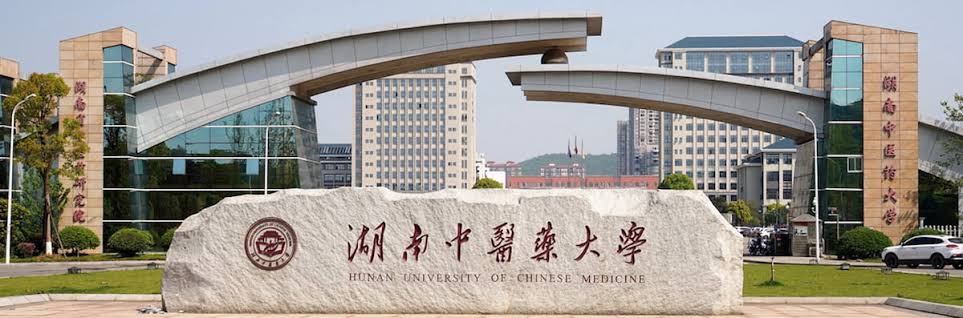
Campus and Student Life Hunan University of Chinese Medicine has two main campuses in Changsha — Hanpu Campus (含浦校区) and Dongtang Campus (东塘校区). The university’s campuses provide the environment students need for both academic study and everyday life. The university has academic buildings, libraries, sports facilities, student accommodation and other infrastructure used by students throughout their studies. Life on Campus For international students, studying at HUCM means living in a university environment together with Chinese and international students. The university has a dedicated International Education Institute responsible for the admission, education and support of international students. Outside classes, students can use their free time for independent study, sports, social activities and exploring Changsha. University life in China also provides opportunities to communicate with students from different regions and countries and to become more familiar with Chinese culture and everyday life. Sports and Leisure Sport is an important part of university life. Students can use the university’s sports facilities and participate in physical activities outside their academic schedule. The campus environment also provides spaces for students to relax, communicate and spend time between classes. Food and Everyday Life Students living on campus have access to the everyday infrastructure needed for student life, including dining and other basic services. Changsha is a large modern city, so students also have access to a wide range of services, shops, restaurants, cafés, shopping centers and entertainment venues outside the university. Changsha One of the advantages of studying at Hunan University of Chinese Medicine is its location in Changsha, the capital of Hunan Province. Changsha is a major city in central China with a large student population and a developed urban infrastructure. The city combines a modern urban environment with a strong regional cultural identity and is known for its food culture, historical sites and active city life. For international students, living in Changsha provides an opportunity to experience everyday life in central China rather than remaining exclusively within the university campus. International Student Environment The International Education Institute provides a dedicated environment for international students at the university. Students from different countries can study and live in the same university community while communicating with Chinese students and becoming more familiar with Chinese language and culture. For students coming to China for the first time, this combination of university infrastructure, international student support and life in a large Chinese city can make the transition to studying and living in China more manageable. Student Life Beyond Classes Studying at HUCM is not limited to lectures and practical training. Students have the opportunity to build their own daily routine around academic work, independent study, sports, social communication and exploring the city. For students studying medicine and Traditional Chinese Medicine, life in Changsha also provides an opportunity to experience Chinese culture and the environment in which Traditional Chinese Medicine has developed and continues to be practiced.
Accommodation
Accommodation Conditions Hunan University of Chinese Medicine provides international students with the opportunity to live in university dormitories. The International Education Institute has student dormitories on both the Hanpu Campus and Dongtang Campus. The dormitories are equipped with the basic facilities required for everyday living. Student rooms include: - air conditioning; - water heater; - private bathroom and toilet; - balcony; - basic furniture. The dormitory buildings have 24-hour security. Shared kitchens are available on the floors, while additional student facilities, including study and common areas, are located on the first floor. Accommodation for International Students International students have access to dedicated accommodation and related administrative support. The International Education Institute is responsible not only for the education of international students but also for their day-to-day administrative and residential support. The university has accommodation rules and internal regulations. In 2026, the International Education Institute specifically reminded students about safety requirements, the use of electrical appliances, dormitory return times, and maintaining order. International students are required to return to the dormitory by 23:00. Large gatherings at night and the use of potentially hazardous high-power electrical appliances are prohibited. Accommodation Fees In a previously published official guide for international students, accommodation was listed at approximately RMB 2,600–5,000 per year for a three-person room. This is historical information and should not be considered a confirmed fee for the 2026/2027 academic year. What Students Should Know Living in a university dormitory allows students to stay directly on campus and have convenient access to academic and campus facilities. For international students, university accommodation is also a practical option during the initial period of studying in China: students do not need to arrange private accommodation immediately after arrival, and everyday life takes place within the university environment. Accommodation is subject to availability and the university's regulations for the relevant academic year. The specific room type, accommodation conditions and current fees should be confirmed before enrollment.